
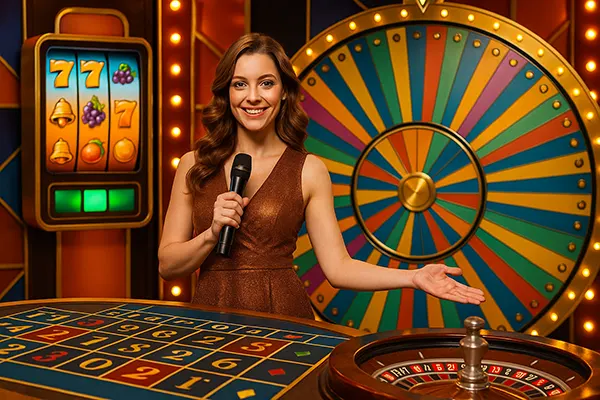
New Hybrid Live Show Games: Merging Slots, Wheels and Gamification in 2025
Hybrid live show games have become one of the strongest trends in iGaming studios in 2025. These titles merge the pace of slot-style mechanics with live presenters, interactive wheels and reward systems that track player engagement. Studios now compete to deliver game shows that feel more like interactive entertainment programmes than traditional gambling products, relying on verified RNG modules, regulated live feeds and transparent rules.
Evolution of Hybrid Formats in Modern Live Studios
By 2025, major developers began integrating slot mechanics directly into studio environments, allowing participants to follow rolling multipliers, symbol ladders or expanding reels during live rounds. This approach was designed to provide clear rules while maintaining the familiar rhythm of slots, making the experience accessible even for newcomers.
Live presenters now play a central role in guiding each round, providing real-time context for features and results. Their task is not to create spectacle, but to help participants understand how wheel sectors, bonus paths or symbol triggers influence potential outcomes. This transparent style reflects increased regulatory expectations across Europe.
Another important factor in the rise of hybrid formats is the improvement of ultra-low-latency streaming. Real-time interaction is more stable than ever, enabling thousands of concurrent players to take part in the same bonus feature without delays. Consistency between studio actions and digital result displays has become a requirement rather than an innovation.
Key Drivers Behind the Hybrid Game Boom
A major driver has been the demand for structured features rather than simple chance mechanics. Players increasingly prefer predictable rule sets, documented RTP calculations and clear breakdowns of how each bonus mode works. This pushed studios to expand their mathematical teams and publish transparent feature tables inside each game.
Hybrid games also reflect changes in user behaviour. Participants expect longer engagement cycles, meaning designers build features that extend participation without forcing continuous betting. Tasks, milestones and time-based bonuses now appear regularly in live shows, rewarding players for session length rather than repeated wagers.
Another driver is the need for differentiation. With many classic live titles reaching saturation, studios looked for ways to combine well-known tools—wheels, slots and board-game logic—into something structurally fresh. This resulted in a wave of titles offering variable paths, multi-stage bonus rounds and interactive upgrades controlled directly from the player interface.
Gamification as a Core Element of Live Show Design
The 2025 generation of hybrid games relies heavily on gamification systems that track progress through badges, tier levels and timed milestones. These systems must remain compliant with responsible gambling guidelines, meaning they cannot pressure users into longer sessions. Instead, they focus on optional achievements linked to non-monetary rewards such as visual upgrades or bonus triggers that do not require extra stakes.
Studios also conduct user-testing sessions to ensure that progression systems are clear, accessible and aligned with fairness requirements. Detailed tooltips inside the interface, transparent descriptions of multipliers and on-screen reminders about account limits are standard features in reputable studios.
Gamification additionally supports community engagement. Hybrid shows often include global counters, shared achievements and round-based challenges that reflect collective participation. This approach creates a sense of continuity between sessions, encouraging players to return for structured events rather than constant betting cycles.
Responsible Play in Gamified Live Environments
Responsible play frameworks remain a priority for regulators in 2025. Hybrid shows must incorporate built-in reminders, optional spend limits and visibility over account data at all times. These measures are designed to ensure that progression systems do not encourage unsafe behaviour.
Studios also document their RNG modules, wheel calibration processes and event sequencing systems to ensure that game outcomes remain independent, even inside multi-stage bonus modes. Third-party auditors verify these systems, and annual certification has become standard across top providers.
Finally, developers provide clear user pathways for session breaks. Gamified systems may pause or preserve progress, ensuring that users do not feel obliged to continue playing to avoid losing time-based achievements. This design approach aligns hybrid shows with modern responsible play standards across regulated markets.

Technology Behind Modern Hybrid Shows
Hybrid games in 2025 rely on coordinated work between high-speed cameras, precision wheel motors and real-time RNG engines. When a wheel is spun, the physical result is captured and synchronised with digital overlays that show multipliers, bonus paths or symbol upgrades in real time. This synchronisation is supported by server clusters located close to the broadcast studios.
Machine learning also assists in production workflows. It helps adjust lighting, track presenter movements and maintain consistent visuals throughout the session. Importantly, AI is never used to determine outcomes; certified RNG modules operate independently and are monitored under regulatory oversight.
User interfaces have become significantly more advanced. Participants can follow dynamic charts, round histories and probability tables without leaving the main screen. These tools help players understand mechanics, promoting informed decision-making rather than impulsive betting.
Future Outlook for 2025–2027
Industry analysts expect hybrid formats to remain central to live studio innovation through 2027. Developers plan to integrate branching narrative systems, shared bonus maps and viewer-controlled modifiers. These additions aim to create structured entertainment without compromising regulatory frameworks.
Regulators may introduce updated guidelines covering gamification, especially in relation to reward pacing and milestone design. Studios already prepare internal audits to ensure that future titles remain compliant even before the new rules are finalised.
Overall, hybrid games will continue evolving as long as developers maintain transparency, responsible design and technologically robust studio environments. The next generation of titles is likely to prioritise clarity, user control and advanced engagement tools built around verified mathematics.